Skip to Content

Blog

Resilient Trees Stakeholder Meeting


Project: RESILIENT TREES (Interreg Europe)
Date: 30 September 2025
Venue: National Forestry Agency, Tirana
Organized: PSEDA-ILIRIA & National Forestry Agency

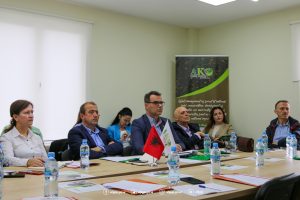
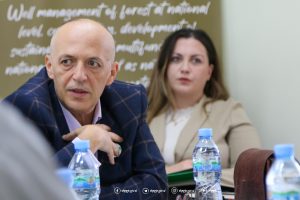
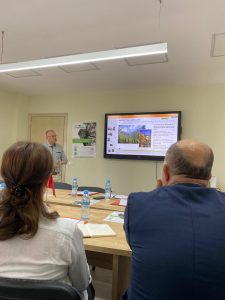
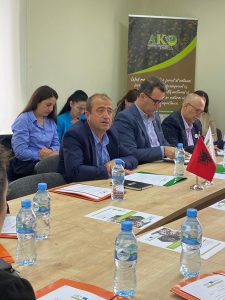
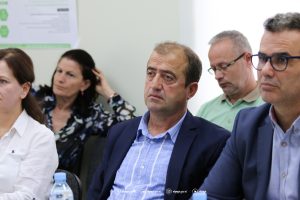
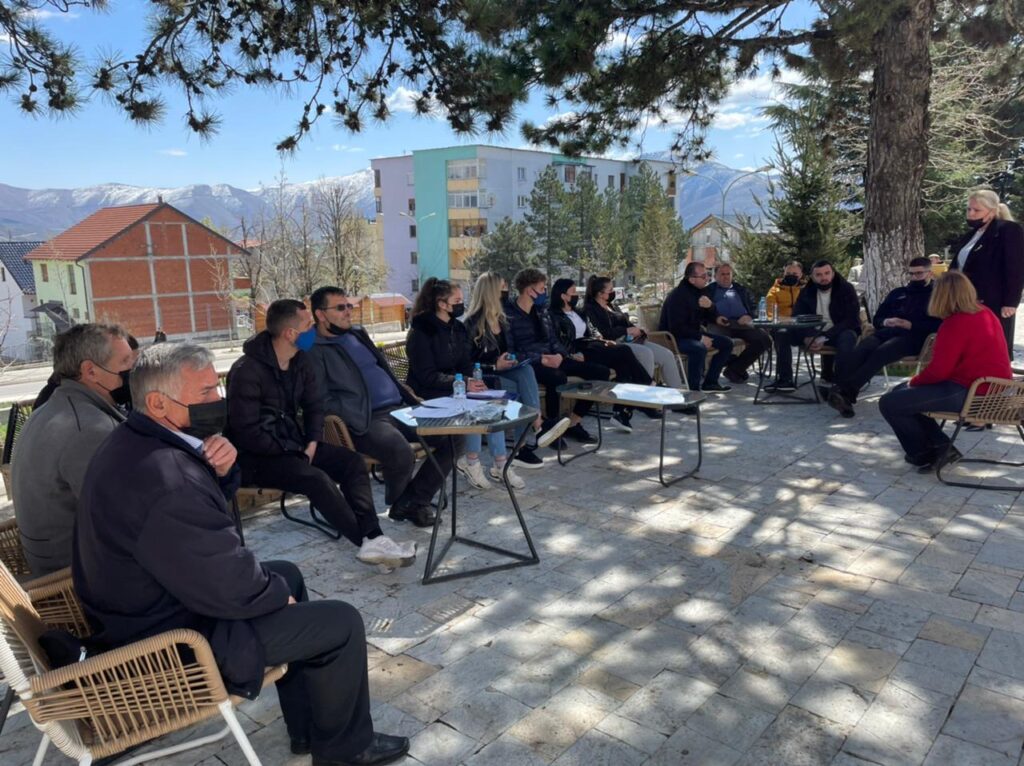
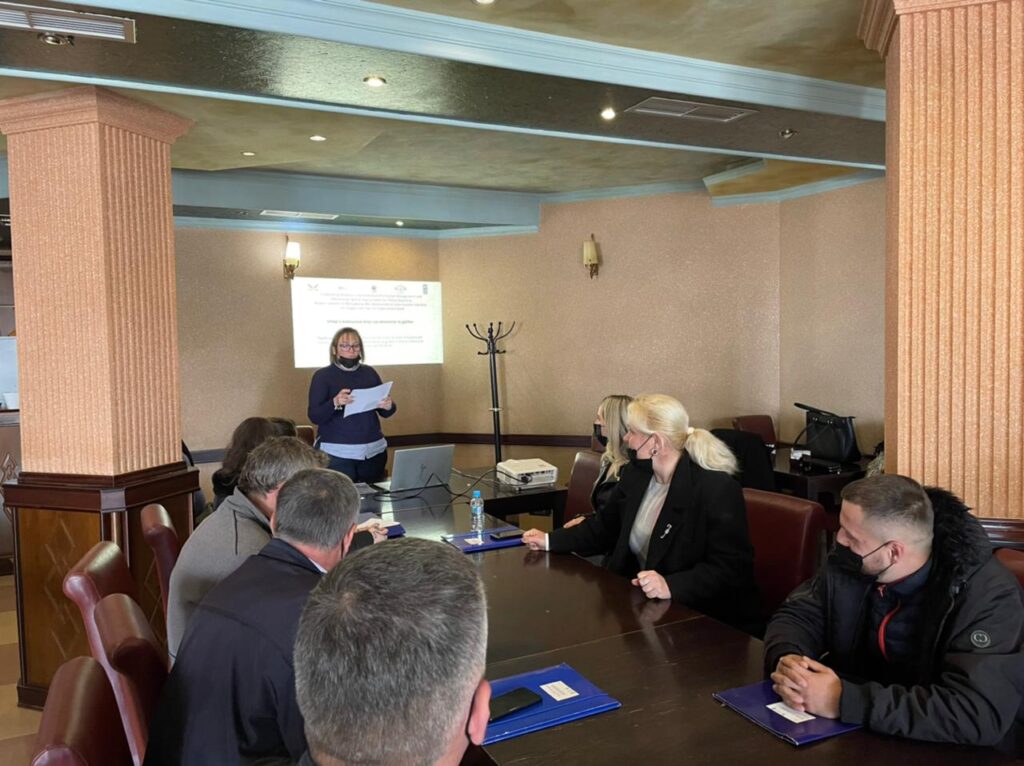
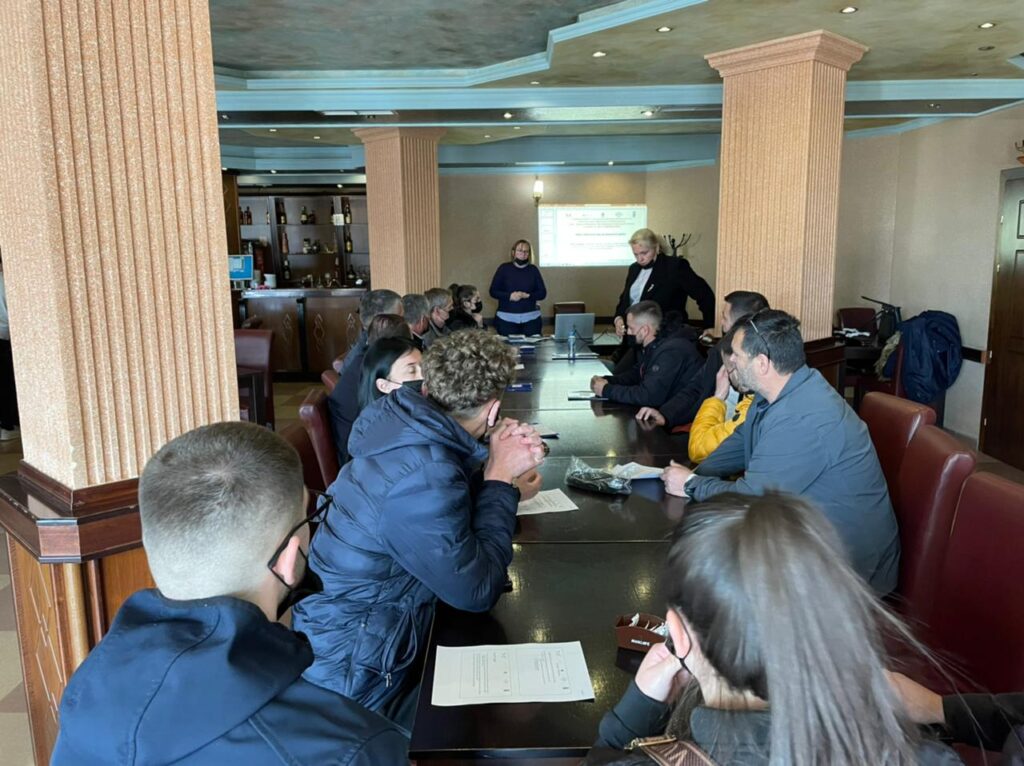
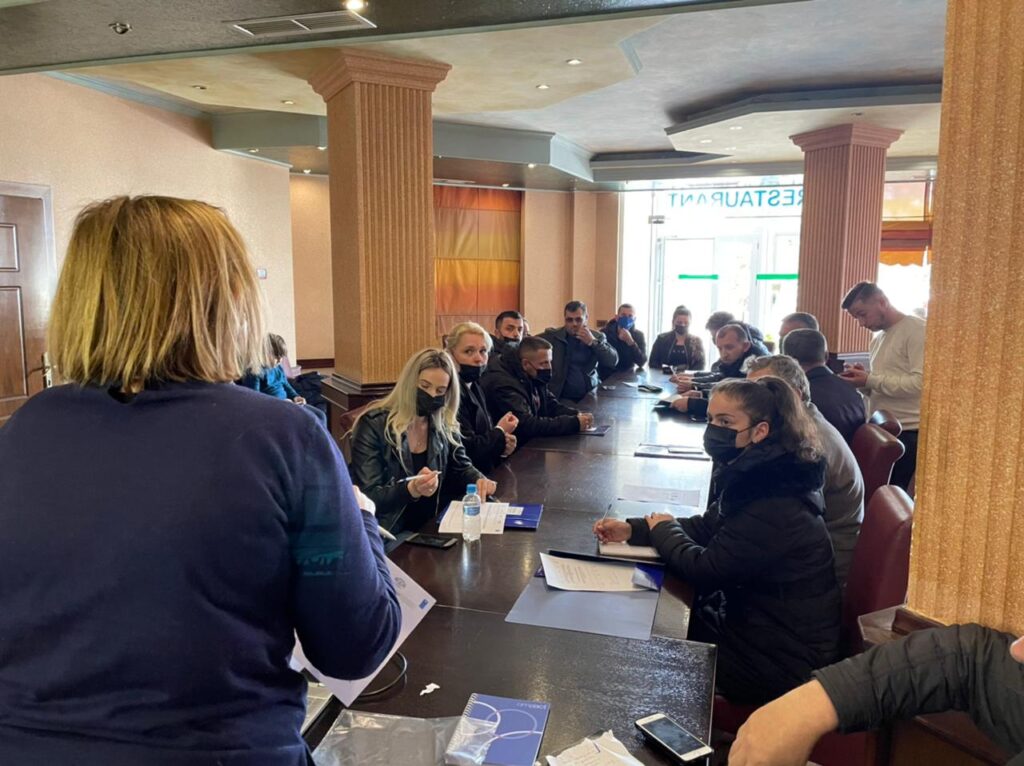
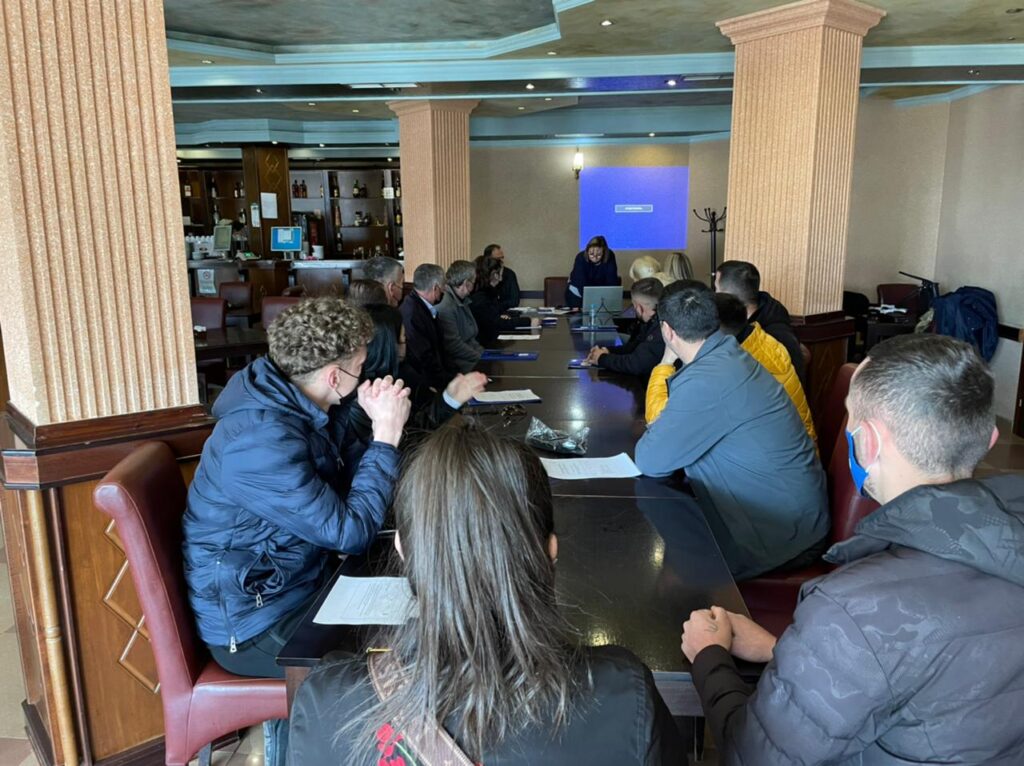
The First Stakeholder Meeting of the RESILIENT TREES project in Albania was held on 30 September 2025, at the premises of the National Forestry Agency (NFA) in Tirana, with the participation of 21 stakeholder representatives.

The meeting was organized by PSEDA-ILIRIA, with the support of the National Forestry Agency, as project partners in Albania. The project is financed under the Interreg Europe Programme and aims to strengthen biodiversity protection by improving policies related to old-growth forests (OGF) and monumental-veteran trees (MVT).

Participants included representatives from the Ministry of Environment, the National Agency of Protected Areas, the Regional Administrations of Protected Areas, several municipalities, the Agricultural University of Tirana, civil society organizations, and forestry experts.

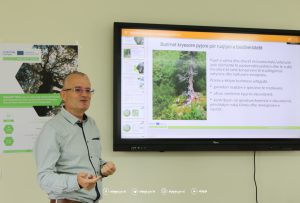
During the meeting, PSEDA-ILIRIA introduced the project objectives and expected results, highlighting the importance of protecting OGF and MVT as a key contribution to biodiversity and landscape resilience. The National Forestry Agency also presented the existing inventory of OGF and MVT in Albania.

The discussions focused on the current policy and legal framework in Albania, as well as the role of municipalities, academia, NGOs, and local communities in forest protection and project implementation. Best practices and opportunities for collaboration at both national and EU level were also shared.

Participants emphasized the need for harmonization with the EU Biodiversity Strategy, improvement of the national legal framework, and a participatory approach involving all stakeholders.

The event concluded with a summary of key points and the identification of next steps, including the development of a joint methodology for mapping and managing OGF and MVT, and strengthening cooperation among institutions and stakeholders.

READ MORE

RESILIENT TREES

WORKING TOGETHER TO IMPROVE THE CONSERVATION OF OLD-GROWTH FORESTS AND MONUMENTAL TREES

RESILIENT TREES objective is to increase the protection of biodiversity, successfully putting into practice improved policies for what concerns old-growth forests and monumental veteran trees. Through the synergic partnership between policy authorities, scientific bodies and NGOs, we will promote the creation of a network of keystone forest resources, increasing the resilience of our landscapes. Embracing the diversity of European regions where oldgrowth forests and monumental trees occur, from high conservation value forest reserves to cultural landscapes, RESILIENT TREES will restore and preserve forest biodiversity.

Kick-Off Meeting Overview

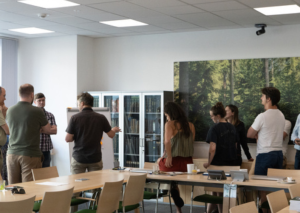
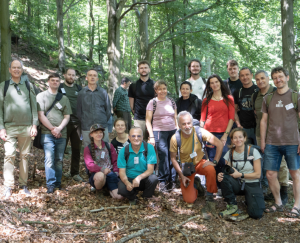
The project’s kick-off meeting took place in Prague, from the 18th to the 20th of June, kindly hosted by the team from the Czech University of Life Sciences. We welcomed 27 participants, including representatives from nine partners, three associated authorities, and several researchers and PhD students who presented their studies on old-growth forests.

Meeting Objectives

First Meeting

First Meeting

The aim of this meeting was to initiate the sharing and discussion of the various contexts among the participating countries, with a particular emphasis on key forest resources.

Visiting the Východní Krušnohoří forests.
During the kick-off meeting we had a chance to visit one of the two model areas included in the project, the Site of Community Importance (SCI) Východní Krušnohoří, one of the largest areas of acidophilous and herb-rich beech forests in central Europe. This SCI includes stands that have reached considerable age, which host protected species, such as violet click beetle Limoniscus violaceus. However, despite its formal protection, the area is still under regular forest management (cutting and regeneration). The preservation of the oldest privately owned stands has been recently negotiated with a contractual act for protection. The public authorities managing the area, the Regional Office of the Ústí Region, were involved in the visit and guided the participants together with the team of the Czech University of Life Sciences.

Visiting the Východní Krušnohoří forests

Stakeholder meetings

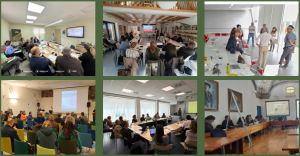
Between 16 September and 28 October, we held six national stakeholder meetings —one in each participating country. These meetings marked a key milestone in the launch of our Multi-Stakeholder Partnerships (MSPs).

The MSPs bring together a diverse range of actors, including ministerial bodies, regional authorities, civil society organisations, protected area managers, producer and landowner associations, and academic institutions. By fostering collaboration across these sectors, the MSPs aim to align efforts, share expertise, and ensure that the project’s objectives are both strategic and achievable.

During each meeting, project partners introduced the goals and expected outcomes of Resilient Trees. Stakeholders engaged in discussions on the limitations of current policy frameworks and began identifying potential pathways to address existing gaps. The insights and contributions gathered from these meetings will feed into a joint analysis on the conservation status of old-growth forests and monumental-veteran trees, helping to build a strong foundation for evidence-based policy recommendations.

Stakeholder meetings

Why a joint analysis?

Our learning and improvement process begins with a shared understanding among all partners and stakeholders. We are analysing relevant information on the target policies, to understand which are the key factors to address in each country and how to integrate our project with previous initiatives. With this analysis, we aim at identifying recommendations that will be used to support decision making and finally policy improvement.

The crucial role of old-growth forests and large-old trees—as biodiversity hotspots, climate change mitigators, and providers of essential ecosystem services—was at the heart of the international conference “OldGrowth Forests and Ancient Trees: A Treasure of Nature, Life and Culture” (https://l.cnr.it/6gbt3), held in Florence and Vallombrosa (Italy) from 1 to 3 October 2025. The event brought together a wide range of international experts who offered in-depth perspectives on the cultural and ecological importance of these unique ecosystems. Across multiple sessions, participants explored diverse themes—including ecology, climate resilience, sustainable forestry, cultural heritage, and spiritual connections— aimed at informing future conservation strategies.

The conference also provided a valuable platform to introduce the Resilient Trees project to a broad audience. Giorgio Matteucci (CNR-IBE) presented the project’s objectives and actions, highlighting its relevance in the context of old-growth forest conservation.
Have a look at our communication channels to learn more about the project! www.interregeurope.eu/resilient-trees 

READ MORE

Ndalimi i djegies së tokave 179

Sorry, this entry is only available in Albanian.

READ MORE

Establishing Albania’s Environmental Information Management and Monitoring System Aligned with the Global Reporting

15 Prill 2021

Project: Networking of Albanian Alps’ shepherds with hut in mountains for nature protection and the model of green economy as a sustainable income for farmers.

The project: The project addresses the need for an environmental monitoring system that is integrated throughout relevant government institutions and that uses international monitoring standards for indicator development, data collection, analysis and policy making. The project builds on existing technical and institutional capacity in Albania to align management and monitoring efforts with global monitoring and reporting priorities. Increased capacity in this area will improve sustainable development through better-informed environmental policy.

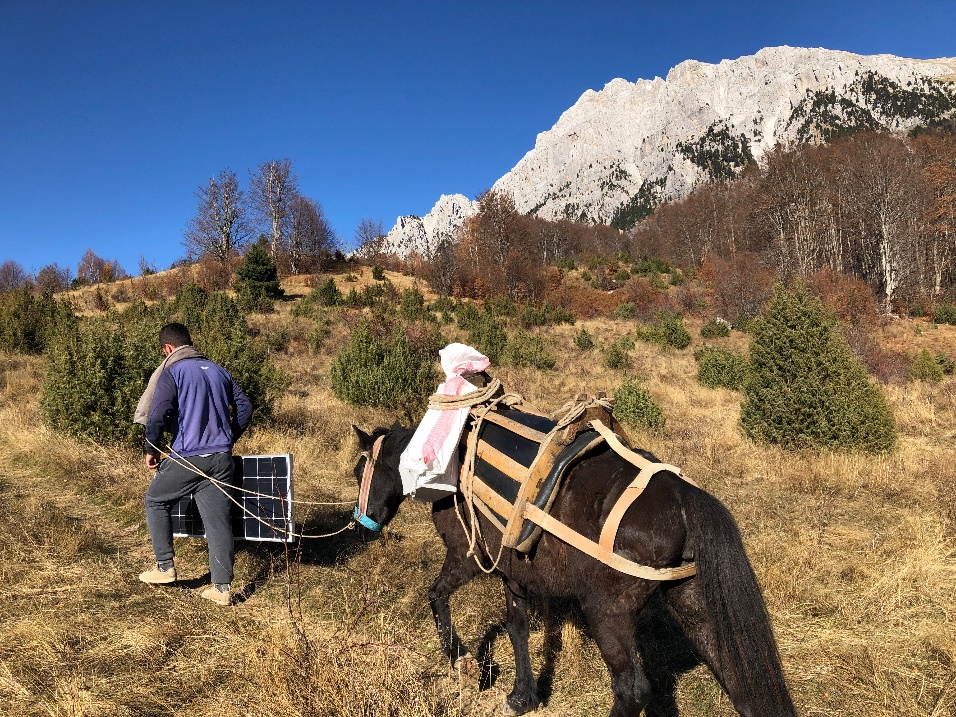
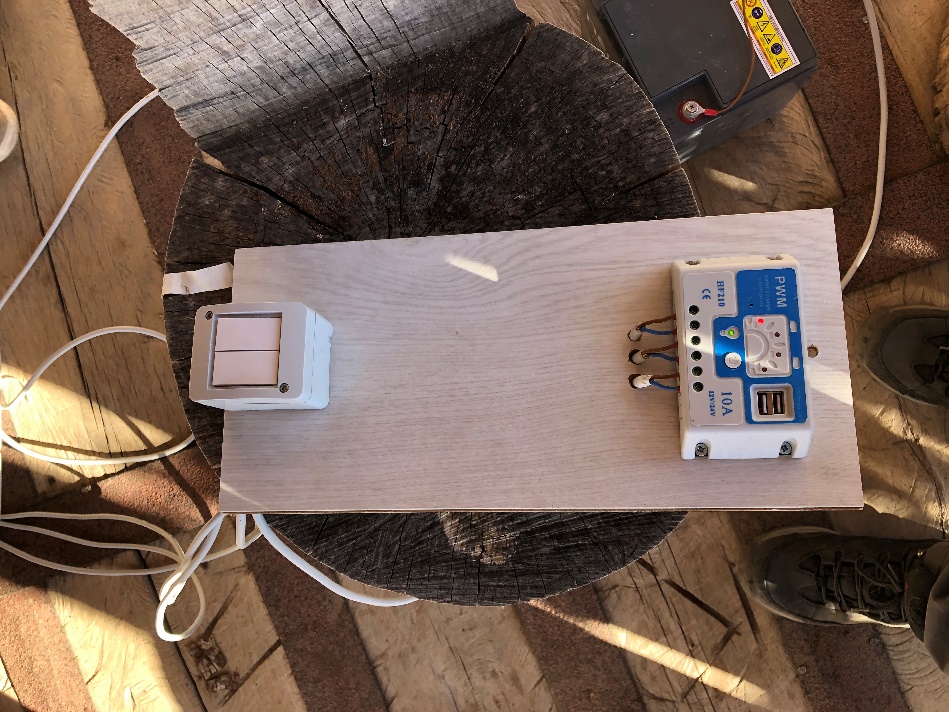
By achieving these results, it will be possible to protect nature from those who have direct access and use it as an environmentally friendly economic resource. Advocacy to protect forests and pastures from deliberate fires as low-cost livestock feed throw network of shepherds who can self-protect all mountain area of Albanian Alps. The economic development of these farmers is also related to the reduction of costs necessary to maximize profit. These costs are related to livestock food, transportation of livestock products to markets, lack of social life due to distance from residential areas. Technological equipment for storing dairy products requires electricity which cannot be provided in those conditions. Providing technological equipment for the production of environmentally friendly alternative electricity is the model that orients these farmers to reduce costs while protecting nature. And the other benefit of the energy gained from alternative sources is the creation of the necessary conditions for diversification of income through shepherd’s hut as a “guest house” for mountain tourism.

Results of the project:

1.  Establishment of a database for extensible livestock farmers with shepherd’s hut outside the inhabited centers in the mountains of Albanian Alps (with the focus Tropoja region) in order to develop a network in nature protection mainly from fires for new pastures and logging for firewood.

2. Reducing costs on livestock farms by promoting the use of alternative energy sources compatible with nature in regions with lack of infrastructure3. Promotion of mountain tourism in the farms with shepherd’s hut in the Tropoja Mountains and other areas in Albanian Alps.

Activities completed during November 2020-April 2021;

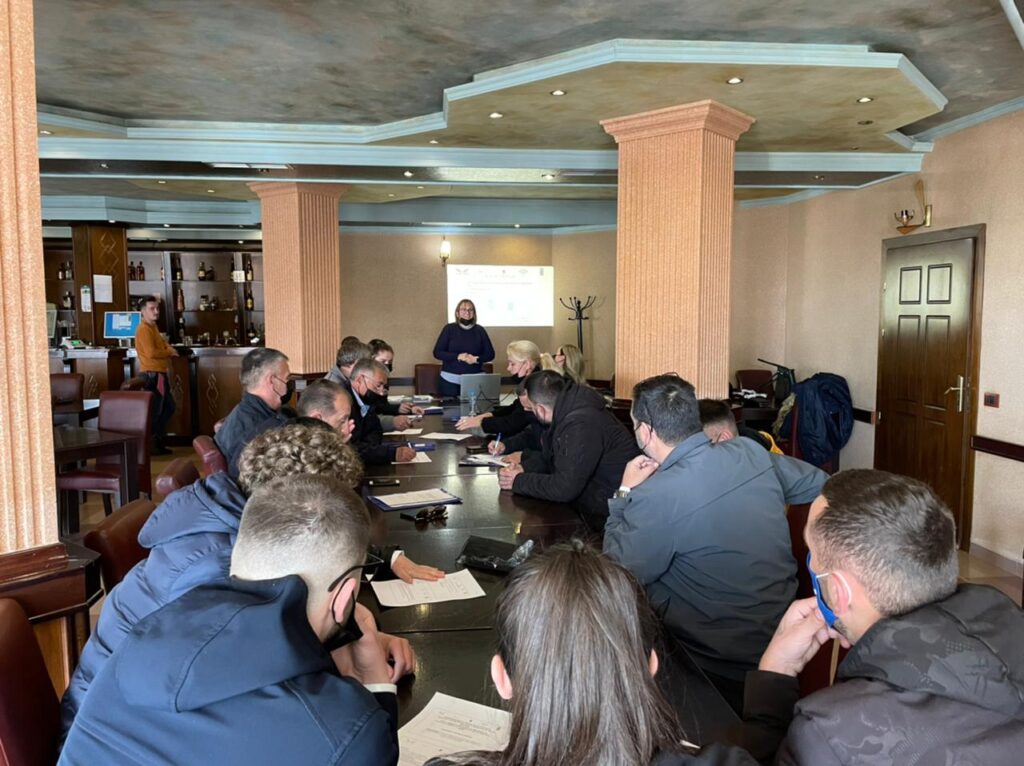
Activity no.1 Identification of farmers who deal with livestock in an orientation meeting where they will talk mainly about all their problems and the ways they treat nature. In this meeting participated about 30 farmers and two representatives of local government..

Activity no.2 Advocacy meeting with stakeholders in Albanian Alps to create a network of livestock farmers, green economy through cost reduction on livestock farms. Farmer that participated were around 30 livestock farmers. Farmers or/and their family members were from different age and gender in order to cover all possible groups in the region.

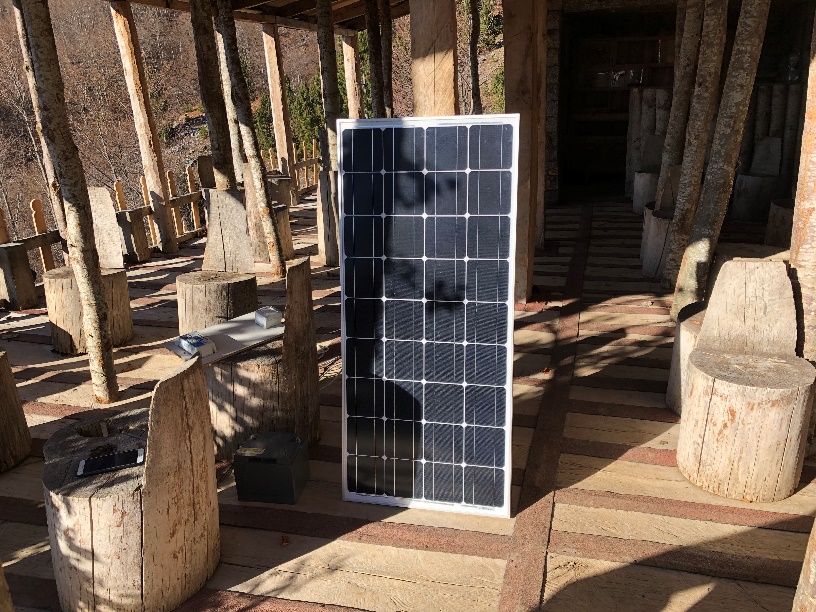
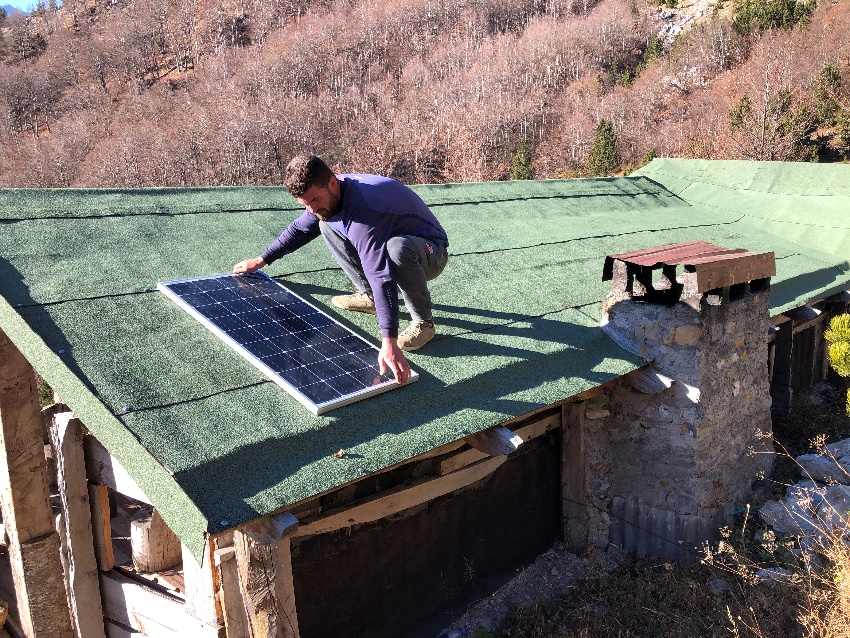
Activity no.3 Identification of the farmers (shepherds) that were supported by the project with 10 solar panels. So far 10 farmers are be supported with the solar panels.

Activity no.4 Advocacy meeting with stakeholders in Albanian Alps to create a network of livestock farmers, green economy through cost reduction on livestock farms. In this meeting will be aimed all farmers/shepherds in Albanian Alps to advocate about their common concerns/problems to local and central government.

Activity no.5 Training with focus on identifying alternatives that exist today in the market for the use of natural resources in a sustainable way and without seriously damaging it. Around 90 farmers are trained through face-to face and meeting organized virtually in zoom platform. In this trainings was give the clear message that nature is the responsibility of all actors although not in the first line of interaction with it. Another element addressed in those trainings was the structure of economic activity of farmers who raise livestock and also the cost of living for their families. All of these are important to convince them in the new and profitable way sustainable in harmony with the nature.

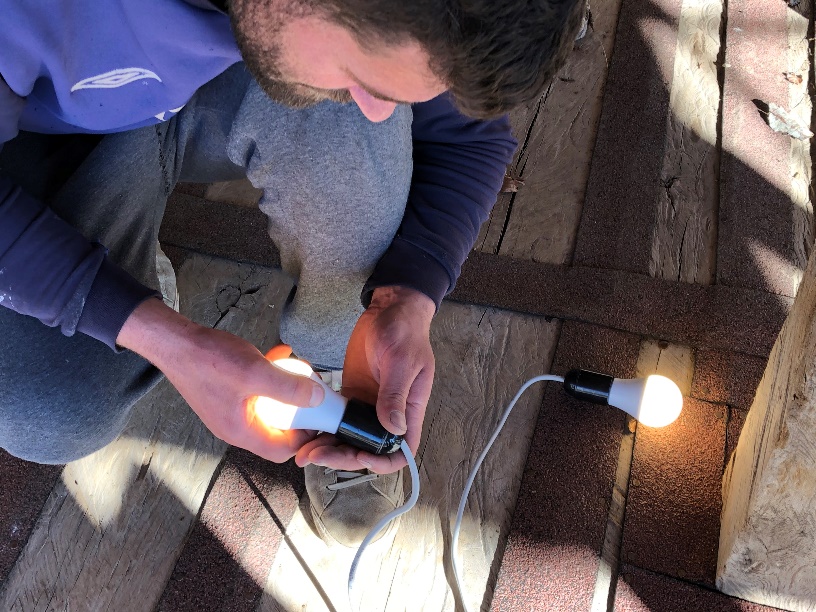
Activity no.6 Establishment of networking of livestock farmers in Albanian Alps in a typical formal organization as an important interest group in nature protection and cost reduction for their farms. Also, are installed in their mountain stalls 10 equipment for the production of electricity with solar panels for farmers, selected to meet the conditions for a green economy.

READ MORE

MBETJET E NGURTA URBANE NE SHQIPERI

Sorry, this entry is only available in Albanian.

READ MORE

Objektivat e projektit SWAN

Sorry, this entry is only available in Albanian.

READ MORE